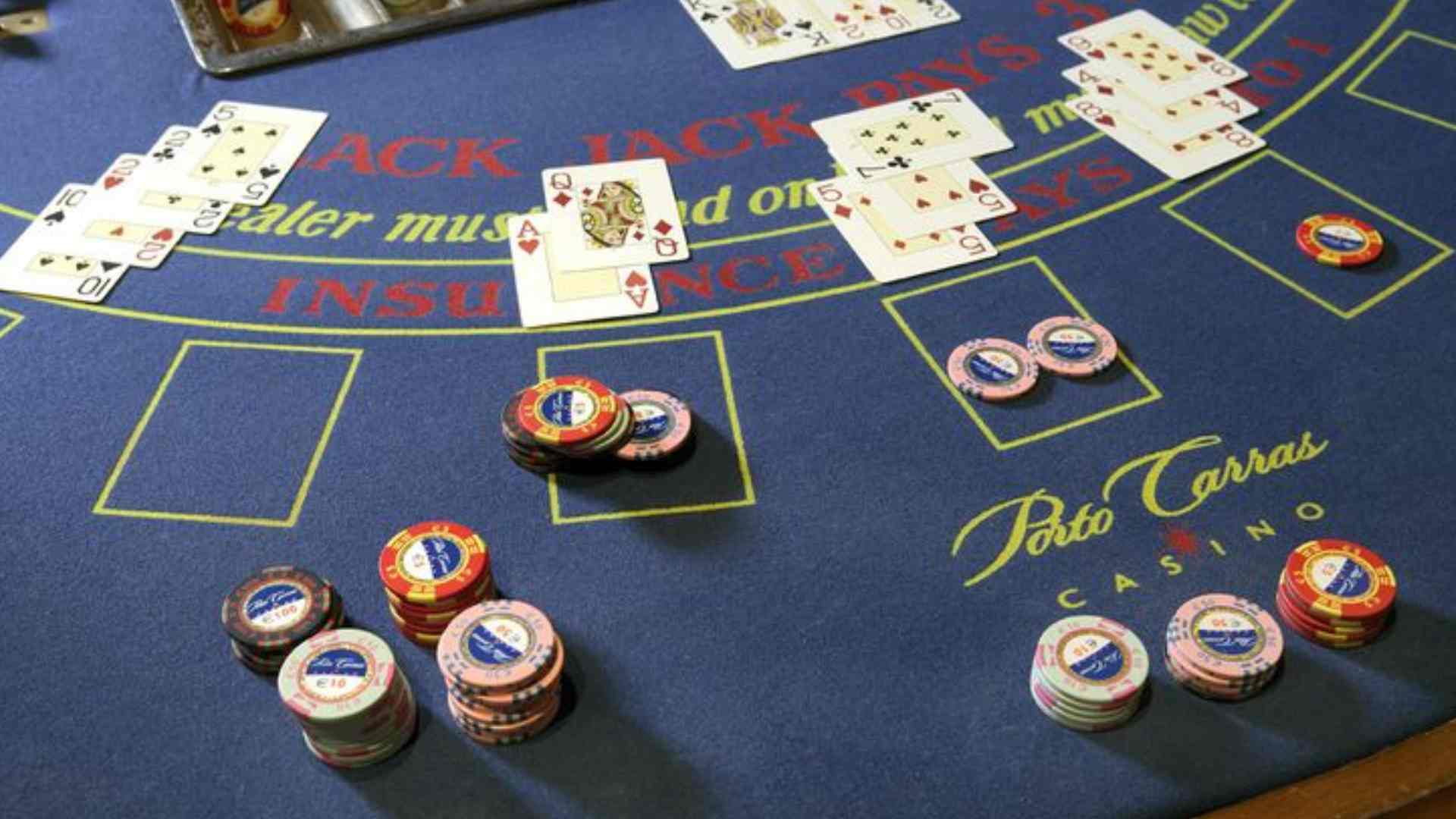
The layout of a classic card table dictates far more than where a person sits during a lively match. In many traditional gaming formats, physical placement directly impacts the volume of information available to a player before they are forced to act. Exploring the relationship between risk and table position reveals how early enthusiasts used spatial awareness to mitigate financial vulnerability and outmaneuver their opponents.
The Strategic Value of Acting Last
Sitting in a late position provides a distinct structural advantage by allowing an individual to observe the choices of everyone else at the table. This extra layer of context helps players gauge the overall strength of the room before committing their own capital to a round. By minimizing unknown variables, late placement naturally reduces the inherent dangers of a speculative wager.
Conversely, early positions require participants to act with minimal intelligence regarding their opponents intentions. This structural blind spot forces individuals to adopt much more conservative approach to protect their resources from sudden counterplays. Understanding these spatial dynamics allows tactical minds to adjust their expectations based entirely on their current seat.
How Table Geography Alters Banking Exposure
In traditional variants where banking responsibilities rotate, table position can shift the financial burden dramatically from one round to the next. A banker situated next to aggressive participants faces immediate pressure, as those opponents can dictate the pace and scale of the initial wagers. Managing this localized tension requires deep psychological resilience and a clear understanding of seating liabilities.
Modern digital platforms have successfully replicated these classic positional elements to maintain the authentic tactical tension of the original card rooms. Enthusiasts seeking to test their situational awareness across diverse table formats can utilize a reliable link vào m88 không bị chặn to access secure interactive environments. These contemporary systems preserve the core mathematical relationships while ensuring that seating configurations remain completely transparent and fair.
Balancing Spatial Constraints with Calculated Choices
Successful long-term participants realize that a fixed physical location should always dictate the boundary lines of their overall strategy. Attempting to execute complex plays from a weak early position often results in unnecessary losses due to a lack of situational context. True mastery involves identifying when a specific seat grants the freedom to expand your tactical options.
Ultimately, analyzing the deep connection between seating arrangements and risk management highlights the brilliant design principles behind historic table games. Physical orientation was never a matter of casual comfort but rather a fundamental mechanic that balanced probability and human behavior. Recognizing these subtle positional factors adds substantial depth to every single hand dealt in a competitive setting.