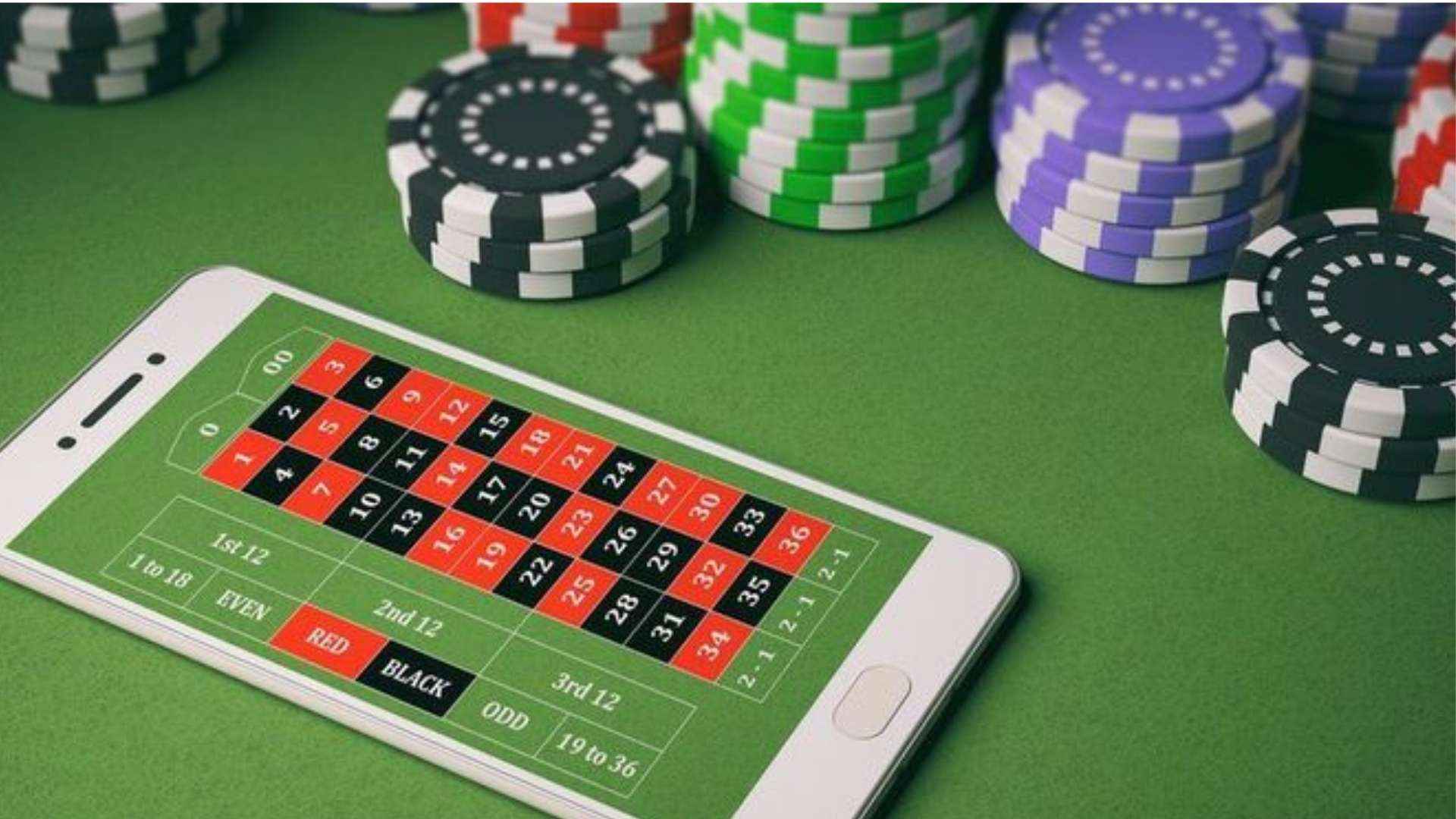
Solitaire is often viewed as a simple way to pass the time, but it actually serves as an excellent mental gymnasium for cultivating focus and self-control. Engaging regularly with solo card games forces players to slow down, analyze their options, and make deliberate choices rather than relying on pure impulse. This thoughtful approach directly translates into improved decision-making skills that can benefit many areas of daily life.
The Psychology of Card Discipline
At its core, card discipline is the ability to resist making immediate, short-sighted moves in favor of long-term planning. In many solitaire variations, the most obvious move on the board can actually block your future progress if you do not consider the hidden cards beneath. Developing this foresight teaches players to embrace patience as a practical strategy for success.
By forcing yourself to evaluate the consequences of every single flip, you train your brain to handle complex situations with greater composure. Over time, this mental practice builds a structured routine that helps reduce impulsive behavior during critical moments.
Choosing Games That Challenge Your Strategy
Not all solitaire games are created equal when it comes to testing your patience and tactical thinking. While basic Klondike is a great starting point, more complex variations like Spider or Yukon require a much deeper level of concentration. These advanced setups demand that you manage multiple moving parts and anticipate outcomes several sequences in advance.
Just as enthusiasts analyze tactics in competitive fields like M88 sports, card players must study patterns to improve their overall performance. Shifting your focus to these high-skill variations ensures that your mind remains actively engaged and continuously challenged.
How Card Management Translates to Daily Focus
The structured nature of managing a deck of cards helps establish a sense of order that can quiet a busy mind. When you methodically sort and sequence cards, you are practicing a form of tactical mindfulness that encourages deep attention. This habit of sustained concentration is highly transferable to professional projects and academic tasks.
By treating each deal as a unique puzzle to solve, you build the cognitive stamina required to tackle difficult projects without losing motivation. Ultimate success in these games depends entirely on your ability to remain consistent and disciplined from the very first draw.
Building a Mindful Gaming Routine
To maximize the cognitive benefits of solo card games, it is helpful to establish a regular and intentional playing routine. Instead of mindlessly tapping through digital decks during quick breaks, set aside dedicated time to play without external interruptions. This deliberate practice allows you to fully immerse yourself in the logical challenges presented by the cards.
Approaching the game with a clear goal of self-improvement transforms a simple hobby into a valuable tool for personal growth. With steady practice, the disciplined habits you form at the virtual card table will naturally integrate into your daily decision-making processes.