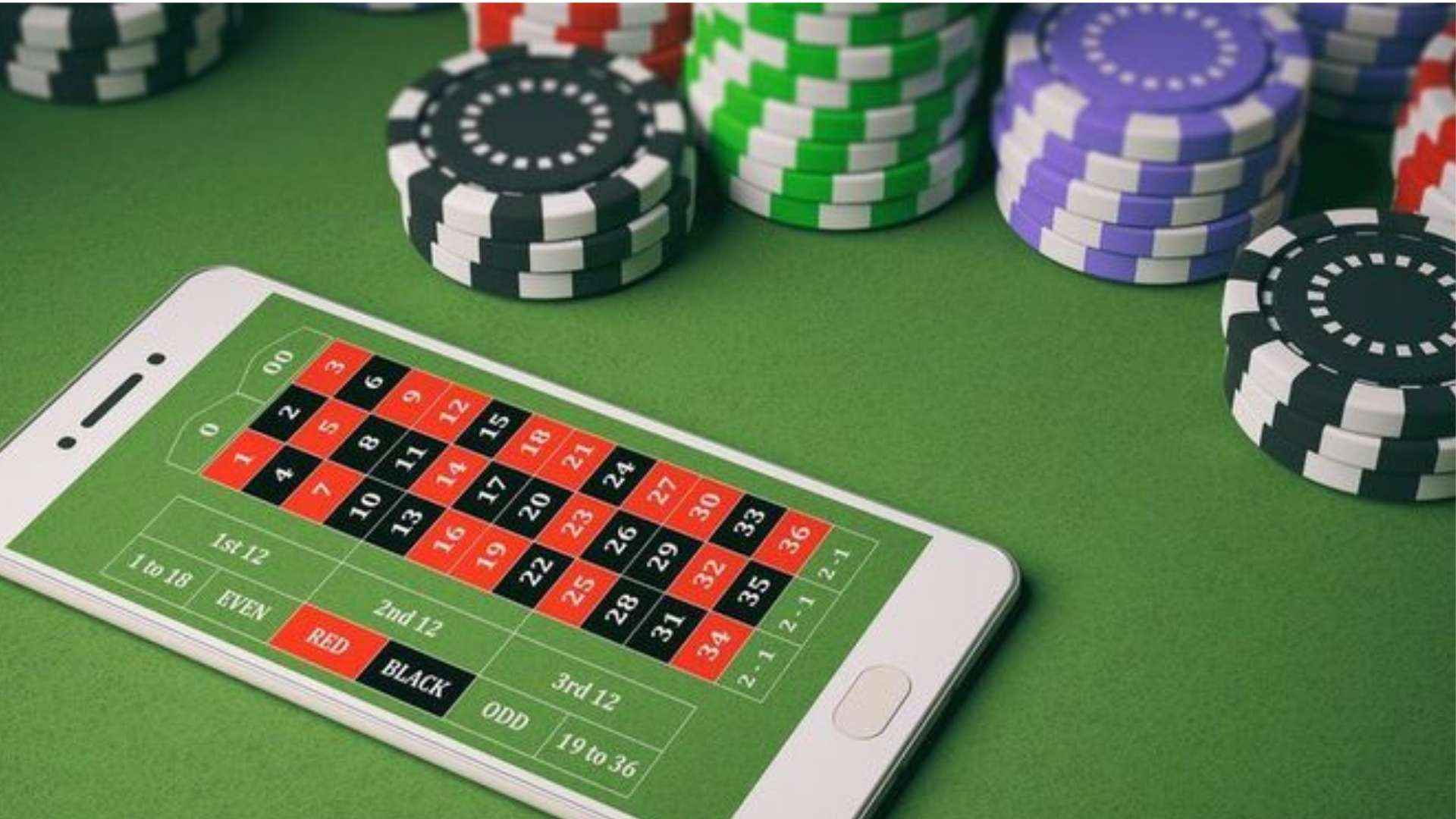
Modern card players require highly optimized software environments to keep up with fast-paced gameplay and complex structural formats. Choosing a platform that prioritizes minimalist and tidy design elements can significantly improve a player's long-term win rate and overall session focus. Eliminating visual clutter allows individuals to focus entirely on tactical choices rather than dealing with unnecessary navigation struggles.
Reducing Cognitive Load and Decision Fatigue
When multi-tabling or navigating deep tournament structures, the volume of data presented can quickly overwhelm a player's working memory. A clean interface structures essential elements like pot sizes, bet sliders, and action buttons predictably to prevent accidental misclicks. This intentional spatial layout ensures players process table dynamics smoothly without draining vital mental energy on secondary visual elements.
Furthermore, removing distracting flashing banners and crowded sidebars allows for continuous concentration over extended poker sessions. Professional card players rely heavily on quick reflexes and rapid calculations, which become more efficient when the screen shows only actionable statistics. Minimizing visual distractions directly supports deeper analytical thinking and more consistent strategy execution.
Streamlining Essential Gameplay Features
An uncluttered lobby design helps users quickly locate ongoing cash games, upcoming tournament guarantees, and specific blind levels. When filtering options are intuitive and straightforward, transitioning between account management and active game tables becomes completely seamless. Users can easily customize their seating arrangements and preferred table graphics without facing convoluted configurations.
For players who balance their card gaming with other digital platforms, finding straightforward systems is a priority. For example, individuals navigating a modern online entertainment dashboard through a secure m88 slot login appreciate highly responsive, streamlined interfaces across all devices. This unified design approach ensures that critical indicators, such as hand histories and balance details, remain easily accessible at a single glance.
Enhancing Universal Device Compatibility
Poker applications built with clear design philosophies scale much more effectively across varied hardware setups and monitor sizes. Whether running multiple tables on a high-resolution desktop screen or managing a single session on a mobile device, a clean interface retains its precise geometric proportions. This consistency allows players to execute commands confidently without adapting to completely different visual patterns.
Additionally, lightweight visual assets contribute to faster loading times and superior frame-rate stability during high-traffic operating hours. Complex graphics and heavy animations often cause sudden software lag, which can be devastating during a crucial hand choice. Choosing an optimized layout ensures consistent technical stability and prevents unexpected disconnection risks.
Improving Long Term Performance and Tracking
A tidy system architecture makes it easier to implement third-party tracking tools and analytical overlays without obscuring the main action. Built-in statistics like real-time pot odds and positional data display much more clearly when integrated into a minimalist table frame. This harmonious data presentation helps players review their mathematical accuracy during real-time scenarios.
Ultimately, selecting a well-organized application helps individuals maintain a professional approach to their daily gaming routine. Regular software updates run more smoothly when the underlying code supports a simple, highly optimized visual layout. Investing time into a clean platform guarantees a more sustainable, focused, and reliable environment for future strategic growth.